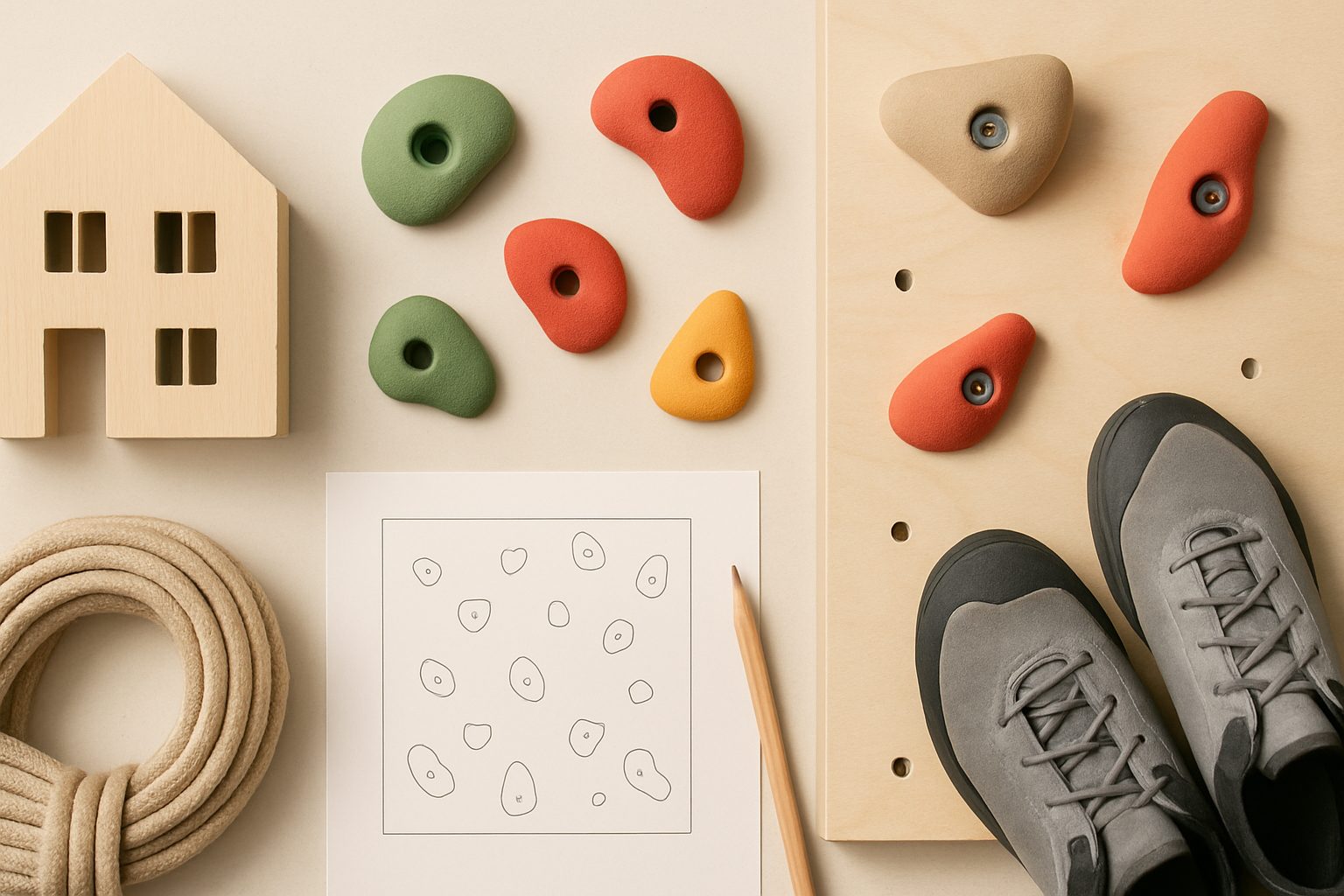
Best Home Climbing Walls for Kids & Families UK: Safe, Fun & Affordable
Installing a climbing wall at home transforms a spare wall or garden into an exciting activity space that keeps children active, builds strength, and develops problem-solving skills. Whether your child is a budding adventurer or you're looking to add variety to family time, a home climbing wall is achievable without breaking the bank. Here's what you need to know to choose and set up one safely.
Why a Home Climbing Wall Works for Families
Climbing engages multiple muscle groups and challenges coordination in ways most indoor and outdoor activities don't. It's also genuinely fun—children are more likely to stay active when they're enjoying themselves. A home wall removes barriers: no gym fees, no travel time, and climbing becomes an option whenever the mood strikes. For families in rural areas or those with tight schedules, it's particularly valuable.
Age-Appropriate Wall Heights
Height matters more than you might think. Too tall, and younger children feel intimidated; too short, and older kids outgrow it quickly.
Under 5 years: A 1.2–1.5 metre wall works best. At this age, falls from height cause less serious injury, but confidence is fragile. Short, manageable walls build positive associations with climbing without overwhelming them.
5–10 years: Move to 1.8–2.4 metres. Children's coordination improves, and most can handle a moderate challenge. This range suits most family setups and fits standard wall heights in homes without requiring major installation work.
10+ years: A 2.4–3 metre wall keeps teenagers engaged as strength and skill grow. If space allows, this height also accommodates adults, making climbing genuinely family-focused rather than a "kids' toy."
Safety Matting: Non-Negotiable
A proper landing zone prevents injuries. Falling from 2 metres onto carpet or thin mats risks serious injury; falling onto impact-absorbing matting is usually just an undignified bump.
What to use:
- Climbing-specific crash pads or gym mats (at least 10 cm thick foam) underneath the wall
- Extend matting 1.5–2 metres out from the base to cover the area where climbers might land when losing grip mid-climb
- Consider stacking two mats (20 cm total) if space allows—the difference between a sore landing and a serious fall is often that extra cushioning
Budget reality: Decent crash pads cost £100–300 for family-sized coverage. It's expensive but absolutely worth it. Some families buy thinner, cheaper gym mats and layer them, which works adequately if you're careful.
Hold Colours and Progressive Difficulty
Colour-coded holds let climbers progress from easy to challenging routes without getting frustrated or bored.
Standard setup:
- Green holds: easiest route (large, well-spaced)
- Blue holds: moderate difficulty
- Red holds: challenging
- Yellow or other colours: expert routes
This system keeps all ages engaged simultaneously—younger children navigate green whilst older ones tackle red. It also prevents boredom; children naturally progress rather than doing the same climb repeatedly.
Permanent vs. Freestanding Walls
Permanent installation (indoor): Panels bolt directly to a wall stud frame. This requires basic DIY skill but gives a secure, permanent fixture. Panels (typically 2.4 × 1.2 metre MDF sheets with embedded holds) cost £80–150 each. You'll likely need 2–3 panels for a decent wall. Installation involves wall anchors, which means some commitment—you're not moving it next month. This option suits detached homes with a suitable interior wall (basement, spare room, garage).
Freestanding frames: Triangular or A-frame structures that stand alone, typically 1.5–2 metres tall. No installation required; they work in gardens, patios, or even indoors if space allows. Prices range from £200–800 depending on size and materials. The trade-off: they're less stable than permanent walls (though proper anchoring or weight bases help), and they occupy more floor space. They're ideal for renters or if you're testing whether climbing is genuinely your family's thing before committing to permanent installation.
What to Look For When Choosing
Adjustable angle: A wall that reclines from vertical to overhanging (often 5–10 degrees past vertical) stays engaging as skills develop. Vertical walls suit younger children and beginners; overhang challenges experienced climbers.
Holds variety: Jugs (large, easy to grip), slopers (rounded top, requiring finger strength), and crimps (small, requiring technique) create interesting and varied climbs.
Durable materials: MDF panels warp if exposed to moisture. Plywood lasts longer but costs more. Check that fasteners are stainless steel or coated to resist rust outdoors.
Ease of hold replacement: Quality systems allow you to swap holds around, keeping routes fresh and extending the wall's lifespan.
Space and Installation Tips
Measure thoroughly before buying. A 2.4-metre wide wall leaves little room for anything else in a bedroom. A garage wall works brilliantly if you can spare the space. Gardens suit freestanding frames—position them away from fences or structures so climbers have clear landing space.
Ventilation matters if installing indoors. Climbing generates heat and sweat; stuffy spaces become unpleasant quickly.
Anchor freestanding frames securely to prevent tipping, especially with younger children on board. Ground anchors or weight bases are non-negotiable.
Maintenance and Longevity
Holds collect dust and grip becomes slippery. Wipe them occasionally with a damp cloth. Check bolts and fasteners regularly for tightness. With reasonable care, a well-built wall remains safe and enjoyable for years.
Worth the Investment?
Home climbing walls genuinely deliver. They're more affordable than family gym memberships, available on rainy days, and adapt to growing skills and ages. For families serious about staying active together, they're hard to beat.
More options
- Climbing Hold Sets (Assorted Packs) (Amazon UK)
- Hangboards & Fingerboards (Amazon UK)
- Bouldering Crash Mats & Pads (Amazon UK)
- Home Climbing Wall Kits & Panel Systems (Amazon UK)
- T-Nuts, Bolts & Wall Hardware (Amazon UK)